
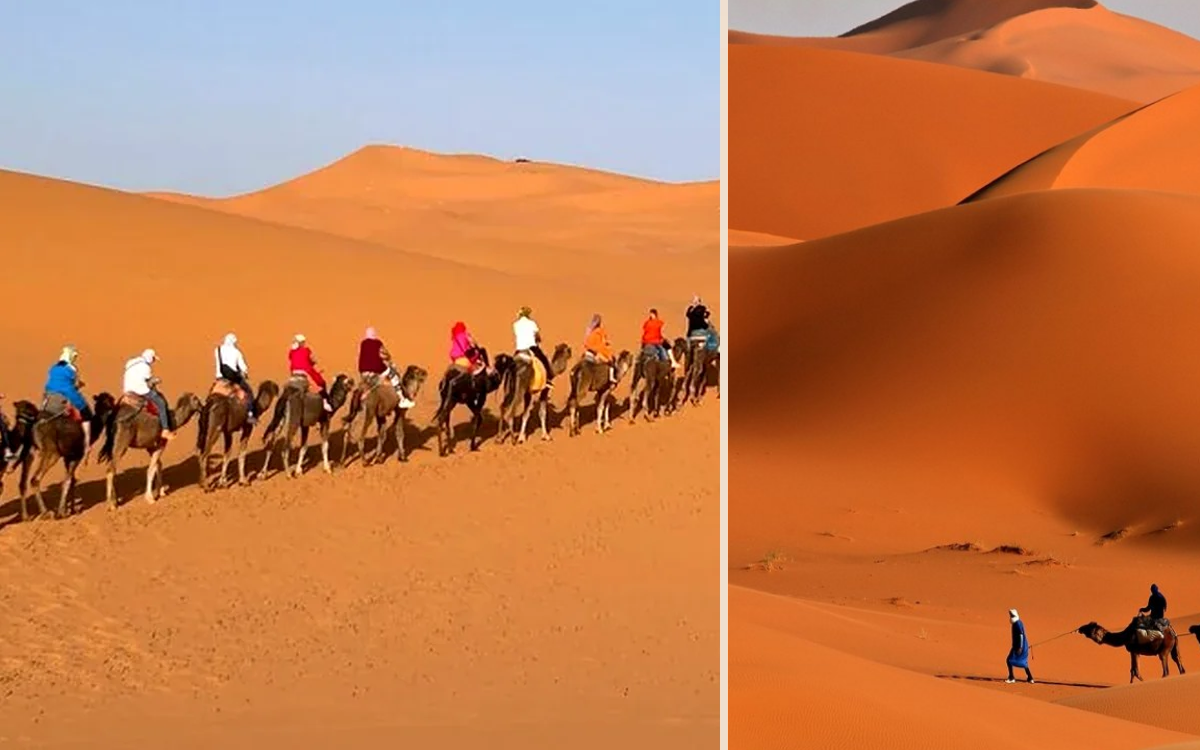
Pair this weather guide with our 15 best things to do in Merzouga, then choose a 1-night or 2-night desert package based on how much time you have.
Merzouga sits beside the Erg Chebbi dunes in southeastern Morocco, where the desert climate creates a large difference between seasons — and often between afternoon and nighttime on the same day. Choosing the right month changes how comfortable camel rides, dune walks, quad biking, camp evenings and sunrise outings feel.
There is no single perfect month for everyone. The best time depends on whether you prefer warmer evenings, cooler hiking conditions, very quiet winter mornings or the possibility of seasonal landscapes around Dayet Srij. This guide focuses on what the weather actually means for your trip rather than simply naming a “high season.”
The best time to visit Merzouga for most travelers
October–November
Warm to mild days, much cooler than summer and comfortable conditions for camel rides, 4x4 outings and camp evenings. November nights are noticeably cooler.
March–April
A strong spring window: warmer than winter without the extreme midsummer heat. Good for active days around Erg Chebbi and sunset experiences.
December–February
Cooler days and cold nights. Excellent if you dislike heat, but pack real layers for before sunrise and after dinner at camp.
June–August
Very hot to extreme daytime temperatures. Possible, but plan around early morning and evening and avoid long outdoor activity in the hottest hours.
Merzouga weather by month
The cards below are designed to be easy to read on a phone — no sideways-moving weather table. Temperatures are approximate historical average highs and lows.
January
17° / 4°CCool, often pleasant in the sun, but mornings and nights can feel genuinely cold.
Cool & layeredFebruary
19° / 6°CStill cool at night with increasingly comfortable daytime temperatures.
Cool & mildMarch
24° / 10°COne of the easiest months for mixing active desert outings with comfortable evenings.
RecommendedApril
29° / 14°CWarm days, mild evenings and a good balance for camel rides, camp nights and 4x4 touring.
RecommendedMay
33° / 18°CNoticeably hotter in the afternoon. Early and late activities become more comfortable than midday.
Warm to hotJune
38° / 23°CVery hot afternoons. Build in shade, hydration and a slower midday schedule.
Very hotJuly
41° / 26°CThe hottest month on average. Desert activities should be concentrated around the coolest hours.
Extreme heatAugust
40° / 26°CSimilar to July: intense daytime heat and warm nights. Air-conditioned accommodation matters more.
Extreme heatSeptember
35° / 21°CStill hot, especially earlier in the month, but conditions begin improving toward autumn.
Hot, improvingOctober
29° / 16°COne of the best all-round months for desert activities, warm days and pleasant evenings.
RecommendedNovember
22° / 9°CMild days and cool nights. Bring a jacket for camp evenings and sunrise.
RecommendedDecember
17° / 5°CCool winter conditions, especially after sunset. Layers make a big difference.
Cool & layeredVisiting Merzouga in spring: March to May
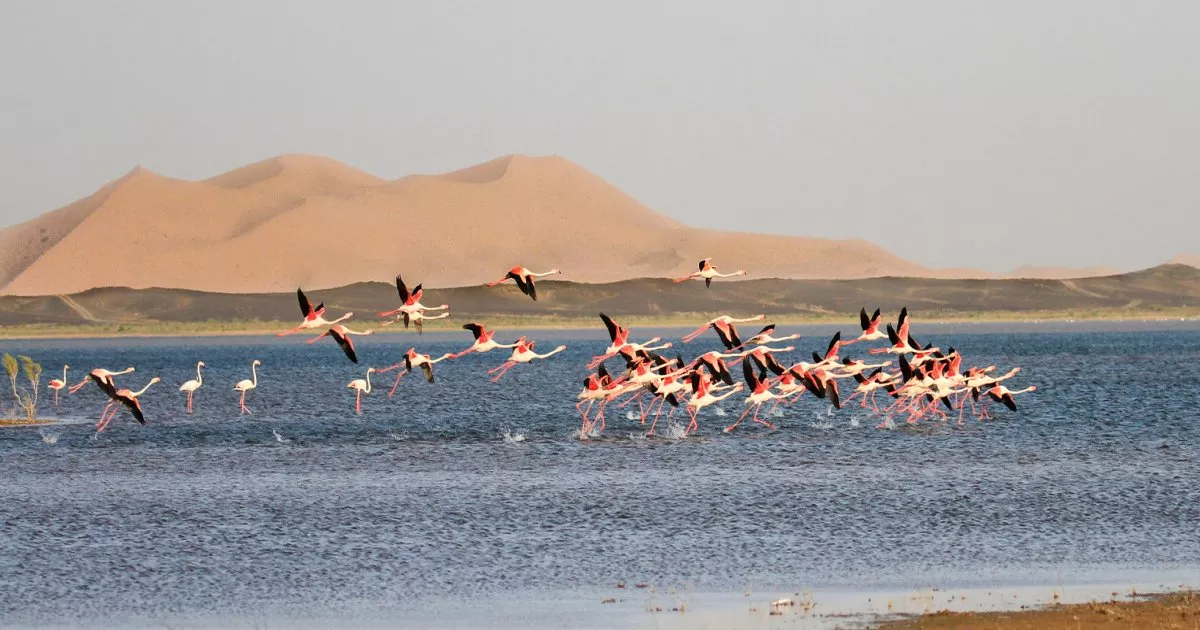
Spring is one of the easiest seasons for travelers who want a full activity schedule. March and April usually give you enough warmth for long afternoons outside without the persistent summer heat. By May, midday temperatures are much higher, so the daily rhythm starts shifting earlier and later.
Visiting Merzouga in autumn: September to November
Autumn moves from hot to very comfortable surprisingly quickly. September can still feel like summer during the day, while October usually offers a much easier balance. November is cooler again, especially after sunset.
For travelers who want camel trekking, quad biking, 4x4 discovery and a camp night in the same trip, October and November are particularly practical because the outdoor portions of the day are easier to combine without building everything around extreme heat.
Visiting Merzouga in winter: December to February
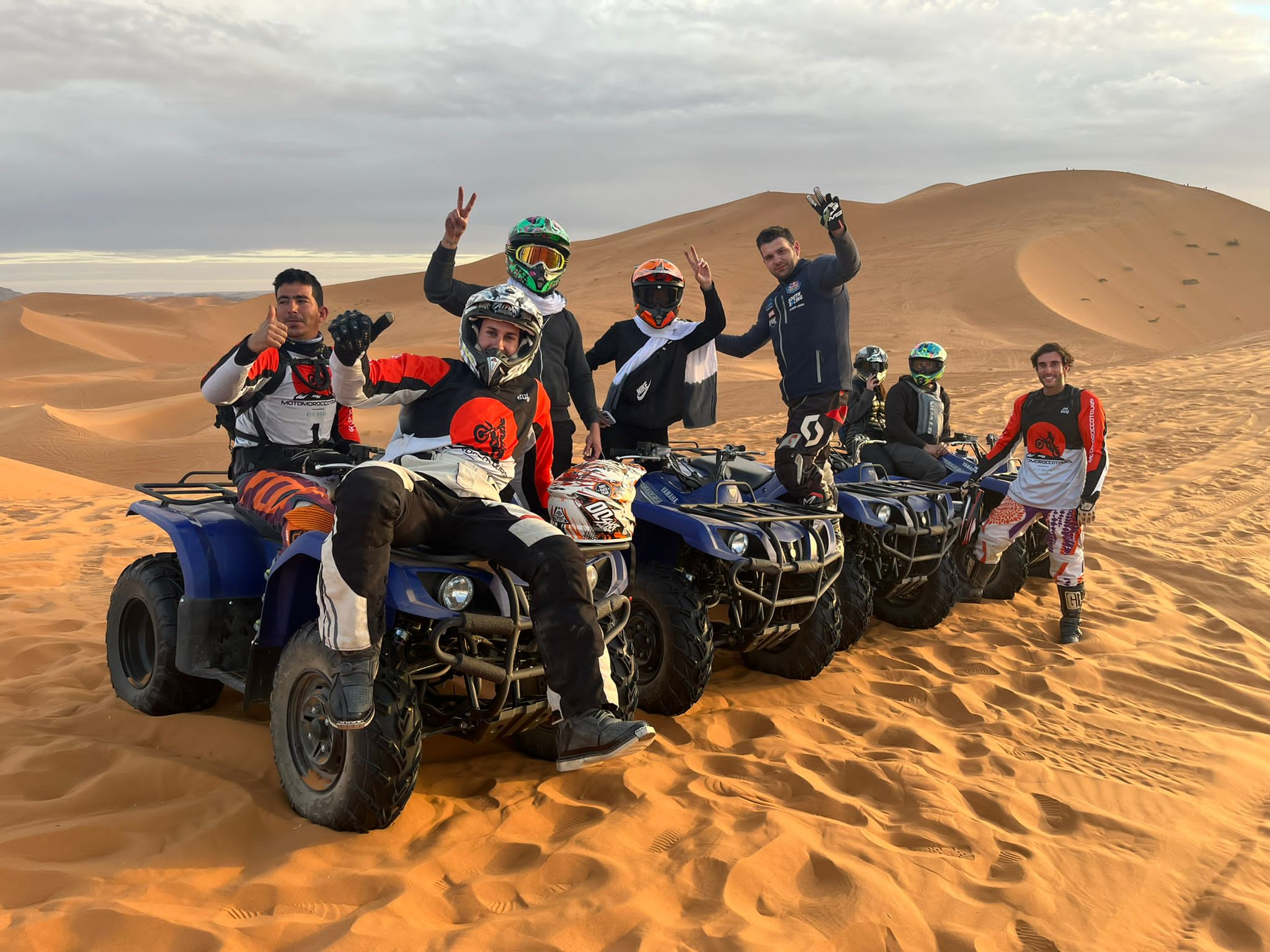
Winter is often misunderstood. Merzouga is a desert, but that does not mean it stays warm at night. Historical January averages are roughly 17°C during the day and 4°C at night, and individual nights can feel colder depending on wind and conditions.
The advantage is that daytime exploring can be very comfortable. Long sleeves, a warm jacket and layers are more useful than packing only “desert clothes.” If you are staying in a camp, check whether your tent has heating rather than assuming every camp offers the same setup.
Visiting Merzouga in summer: June to August
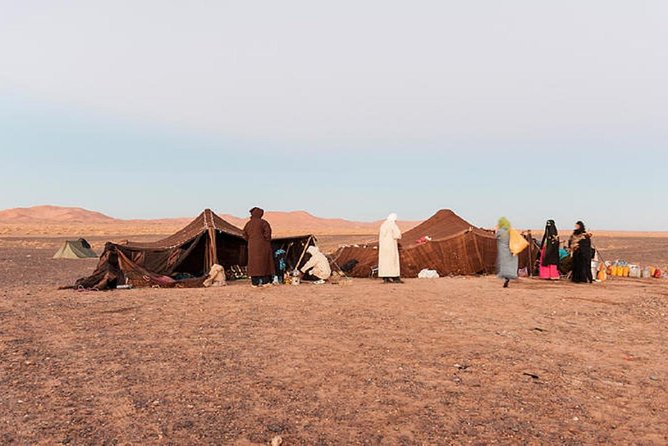
Summer is the season that requires the most planning. Historical average highs reach about 38°C in June, 41°C in July and 40°C in August. That does not mean every hour or every day reaches those exact numbers, but it explains why midday dune walking can become uncomfortable very quickly.
If summer is the only time you can travel, you can still visit Merzouga. The schedule simply needs to change: sunrise first, rest during the hottest hours, then return outside later in the afternoon. Choose accommodation with reliable air conditioning, carry enough water and avoid treating the desert like an all-day hiking environment.
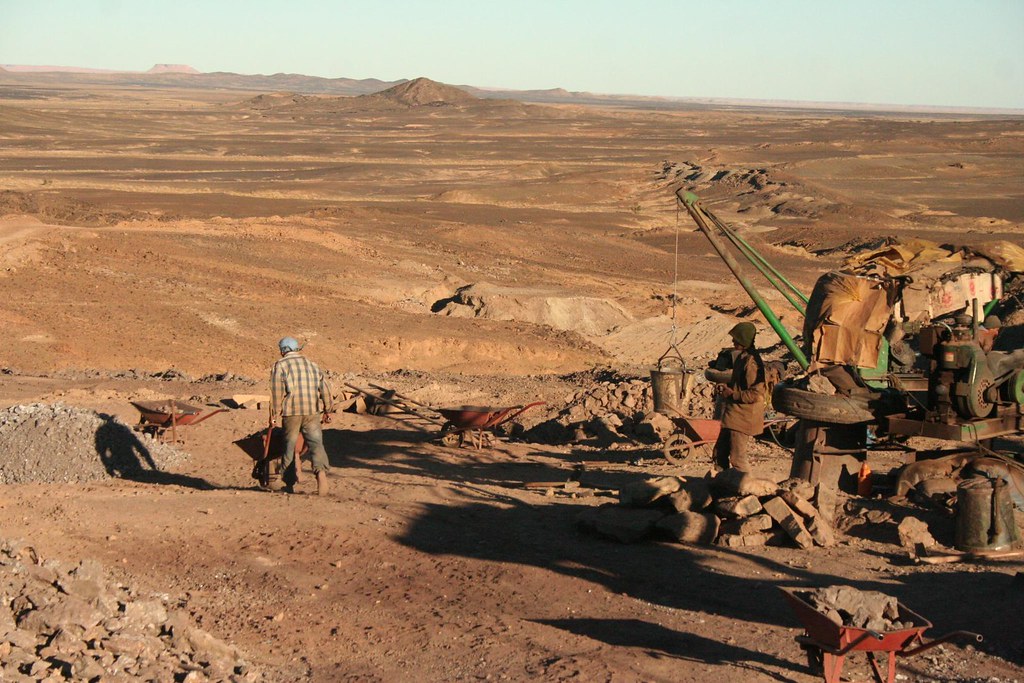
Best season for different Merzouga experiences
Camel rides & sunset
Available year-round, but the cooler shoulder seasons are more comfortable. In summer, schedule the ride late in the day.
Quad biking & 4x4
October–April is generally easier for longer outings. Summer departures should focus on early morning or late afternoon.
Desert camp nights
Beautiful year-round, but winter requires warm layers and summer makes air conditioning much more important.
Stargazing
Possible throughout the year. For a darker sky, the moon phase can matter as much as the season, so check the lunar calendar for your dates.
What to pack by season
Spring & autumn
- Breathable daytime clothing
- Light jacket or sweater for evenings
- Closed shoes or secure sandals
- Hat, sunglasses and sunscreen
Winter
- Warm jacket
- Layers for sunrise and camp evenings
- Long trousers
- Warm sleepwear if staying in a camp
Summer
- Loose, breathable clothing
- Sun hat and strong sun protection
- Reusable water bottle
- Light layer for air-conditioned transfers
All year
- Secure footwear for sand
- Lip balm and moisturizer
- Small day bag
- Phone/camera protection from sand
Does the season change whether you should stay one or two nights?
A 1-night Merzouga package works when your priority is the classic arrival, camel ride, sunset, camp dinner, night in the desert and sunrise experience. A 2-night package gives you more flexibility for a 4x4 discovery day, Khamlia, M'Fis, quad biking and other activities.
In very hot weather, the extra time can also make the schedule less rushed because activities can be split around cooler hours. In winter, two nights gives you more daylight to explore without trying to fit everything around short mornings and cold evenings.
Choose the Merzouga experience that fits your dates
Tell us when you are traveling and how many nights you have. We can organize the desert program and, if needed, private transport from Marrakech, Fes or Errachidia.
See 1-Night PackageSee 2-Night PackageRequest program & priceHow to fit this into your Merzouga stay
The dunes are most memorable when you experience more than one light condition. Late afternoon, sunset, night and early morning each make Erg Chebbi feel different, so leave some time unplanned.
A practical rule is to combine one signature dune experience with one contrasting activity and one relaxed period. That balance gives better photos, less fatigue and more room for weather or timing changes.
Frequently asked questions
What is the best month to visit Merzouga?
For many travelers, October, November, March and April offer the easiest balance of warm days and cooler evenings. The right month still depends on your personal heat tolerance and preferred activities.
Is Merzouga too hot in July and August?
Daytime heat can be extreme. Historical average highs are around 41°C in July and 40°C in August, so outdoor activities should be moved to the coolest hours and midday should be treated as rest time.
Does Merzouga get cold at night?
Yes, especially in winter. January historical average lows are around 4°C, so a warm jacket and layers are important for sunset, camp evenings and sunrise.
When can I see flamingos at Dayet Srij?
There is no guaranteed month. Dayet Srij is seasonal, and both water levels and birdlife depend on rainfall and local conditions.
What time of day is best for a camel ride?
Late afternoon is popular because temperatures are cooler and the ride can be combined with sunset. In summer, avoid the hottest midday hours.
Is winter a good time for a Merzouga desert camp?
Yes, if you are prepared for cold nights. Check the camp's heating setup and bring proper layers rather than assuming the desert stays warm after sunset.
This guide combines local Merzouga trip-planning experience with published historical climate averages. Weather changes from day to day, so use the monthly figures as a planning guide rather than a forecast.